
By Julie Holdsambeck | Associate Broker, eXp Realty | Central Alabama Updated Spring 2026
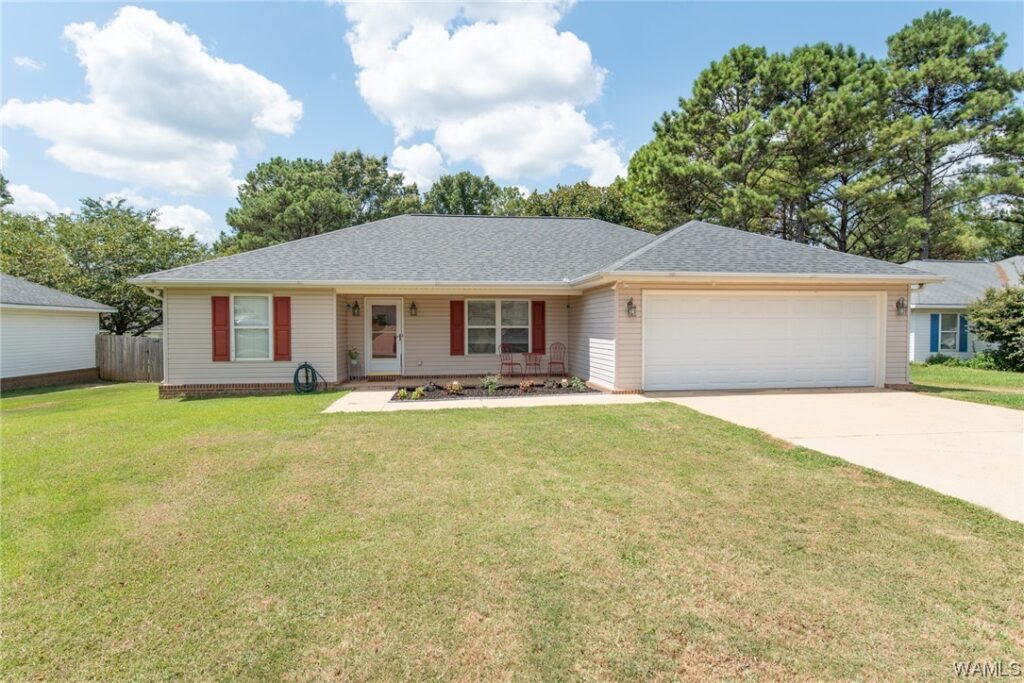
The short answer? For most homeowners in Central Alabama right now, yes, this is actually a pretty good time to sell.
But “pretty good” doesn’t mean the same thing for everyone, and the real answer depends on your specific situation, your neighborhood, and your goals. Get ready for the honest market picture, what it actually means for a seller, and how to figure out whether the timing is right for you.
What’s Actually Happening in the Central Alabama Market Right Now
After a slower stretch in late 2023 and through much of 2024, the market in Central Alabama found its footing again in 2025. Fortunately for home sellers, that momentum is carrying into spring 2026.
Here’s what the data shows:
The Birmingham metro came out of Q1 2026 with buyer demand growing. Local agents reported more activity since the new year, with sellers beginning the listing process at an increasing rate. March 2026 brought what market watchers called a “spring surge” in the Birmingham metro, with home sales, new listings, and median prices all moving upward. Homes are spending fewer days on market than earlier in the year.
Statewide, homes are selling at about 97.4% of list price, which tells you that well-priced homes are getting close to what sellers are asking. That’s a healthy number.
And across the state, industry experts are projecting roughly 4% more home sales in 2026 compared to last year. This is driven by gradual rate improvement and buyers who have been on the sidelines finally starting to move.
The market isn’t frenzied the way it was in 2021 and 2022. But that’s not necessarily a bad thing. This is a more stable, more predictable environment. For a seller who prepares properly, that’s a market you can do very well in.
What Prices Look Like Across Central Alabama Suburbs
One of the things that makes Central Alabama interesting as a market is the range. Different suburbs are in pretty different places, and that matters when you’re thinking about what to expect.
Here’s a general picture of where things stand heading into spring 2026:
Hoover is one of the most active markets in the metro. Median home prices are sitting around the $460,000–$470,000 range, with strong buyer interest in the moderately priced tiers. Homes in the $400,000–$500,000 range tend to move faster than the luxury end.
Vestavia Hills continues to command premium prices — average home values in the $540,000+ range — driven by demand from buyers who prioritize the school system and the suburb’s long-established reputation. Homes here go to pending quickly, often in around two weeks.
Alabaster and Pelham offer buyers more attainable price points, with medians roughly in the $200,000–$240,000 range. These neighborhoods attract first-time buyers and folks relocating from higher-cost markets, and that segment has been active.
Birmingham proper has a wide range, from entry-level in the $130,000–$160,000 range to well above $300,000 in desirable neighborhoods like Crestwood and Forest Park.
Knowing where your home sits within this landscape matters a lot when it comes to pricing strategy. Search the Birmingham market.
How Buyers Are Behaving Right Now
Today’s buyers are different from the pandemic-era buyers who were writing offers sight unseen and waiving inspections. They’re more careful. They do their homework. They’re working with elevated mortgage rates—currently hovering in the upper-6% range—and that makes them more sensitive to price.
What that means practically:
- Buyers are comparison shopping more carefully
- Overpriced homes sit, sometimes for months
- Well-priced, well-presented homes still attract solid offers
- Buyers in the $400,000–$500,000 range in Hoover and similar suburbs are especially active
One thing worth noting: there are still out-of-state buyers coming into Alabama. Mortgage professionals in the Birmingham area are actively working with people relocating from Virginia, Minnesota, and other higher-cost states who see Central Alabama as an affordable, high-quality option. That’s a real source of buyer demand that isn’t going away.
Is It the Right Time for YOU to Sell?
This is the question that actually matters — and it’s more personal than it is market-driven.
Here are the factors worth thinking through honestly:
Your equity position. Alabama home prices are significantly higher than pre-pandemic levels. Many homeowners who’ve been in their homes for five years or more are sitting on equity they may not have fully accounted for. Before you decide anything, it’s worth knowing what your home would realistically sell for today.
Your reason for moving. Are you downsizing? Relocating? Moving closer to family? Upgrading? The right time to sell is often when your personal situation calls for it—not when some external indicator hits a target. Life timing and market timing rarely align perfectly.
Your financial picture. If you have a mortgage at 2.5% or 3%, the idea of trading it for a 6.5% rate on a new purchase is understandably uncomfortable. That’s real, and it’s worth factoring in. But it’s also worth running the actual numbers, because equity and other factors can change the math significantly.
How long you plan to stay. If you’re thinking about selling in the next year or two regardless, there’s a strong case for acting during peak spring demand rather than waiting through another cycle.
A Story That Might Sound Familiar
A homeowner came to me in Hoover last spring with a familiar set of concerns. She’d been in her home for about 12 years, raised her kids there, and had been thinking about downsizing for a couple of years. But the interest rate news kept making her second-guess herself.
“I keep hearing the market is slowing down,” she told me. “I’m worried I missed the best time to sell.”
The first thing we did was look at actual data, and not headlines. Her home had appreciated considerably since she bought it, and her equity position was stronger than she realized. We reviewed what comparable homes in her neighborhood had sold for in the previous 90 days, talked honestly about what buyers were looking for at her price point, and came up with a pricing strategy based on current market conditions — not what the market was doing two years ago.
We made a handful of targeted updates: fresh neutral paint, cleaned up landscaping, and decluttered the main living areas. Nothing dramatic. The goal was to present the home at its best without overspending.
It went under contract within three weeks at a price she was genuinely happy with. She said the part that surprised her most was how low-stress the process felt once she had a clear plan going in.
That’s the goal. It is not just getting the home sold, but doing it in a way that feels manageable and ends with confidence, not regret.
Common Mistakes Sellers Make in This Market
Even in a decent market, sellers can leave money on the table, or create unnecessary headaches for themselves. Here are the ones I see most often:
Pricing based on what they need, not what the market says. What you need to net from your home sale and what buyers will actually pay are two separate numbers. When those don’t match, the home sits. And a home that sits gets stigmatized.
Skipping the prep work. First impressions matter more than ever with today’s selective buyers. Homes that are clean, decluttered, and well-photographed get more showings. More showings lead to better offers.
Waiting for the perfect moment. The sellers I’ve seen get into the most trouble are the ones who kept waiting for rates to drop, or for inventory to tighten more, or for spring to turn to summer. Markets don’t move on a schedule that aligns with anyone’s timeline perfectly. The best time to sell is when you’re ready and the market supports it.
Relying on outdated information. What your neighbor’s house sold for 18 months ago is not a reliable benchmark today. Pricing decisions should be made from the most recent 90 days of comparable sales in your specific neighborhood.
Choosing the agent who gives you the highest number. A high estimated value sounds good, but if it isn’t supported by data, it just means a price reduction down the road. Work with someone who will be honest with you upfront.
Frequently Asked Questions
Should I wait for interest rates to drop before selling?
This is probably the most common question I hear. Here’s the honest answer: waiting for rates to drop is a gamble on timing that’s notoriously hard to get right.
Rates are currently in the mid-6% range and economists are cautiously optimistic they could ease later in 2026. But “cautiously optimistic” is not a guarantee, and if rates do drop meaningfully, buyer demand could surge. And that would also bring more seller competition. Right now you have buyers who are serious and active, but not as much competition from other sellers. That’s actually a good position to be in.
How do I know what my home is worth?
The only reliable way is to look at what comparable homes in your specific neighborhood have actually sold for in the past 90 days—not online estimates, and not what your neighbor thinks. Online tools like Zillow and Redfin can give you a ballpark, but they’re often off by meaningful amounts. A real comparative market analysis from a local agent who knows your area will give you a much clearer picture.
What month is best to sell in Alabama?
March through June is historically the strongest selling season in Alabama. More buyers are actively looking, longer daylight hours mean more showings, and families trying to move before the next school year are highly motivated. We’re right in the middle of that window now. Late summer and fall tend to slow, with the market picking back up a bit in January and February before spring hits again.
What if my home needs work? Can I still sell it?
Yes, and how you handle it matters. Not every repair or update will give you a return, and spending $30,000 remodeling a kitchen before listing is rarely the right call. The smarter approach is identifying the specific things that will most affect buyer perception at your price point. Paint, landscaping, and cleanliness should be the focus. A good agent can walk you through what’s worth doing and what isn’t.
Do I need to buy my next home before I sell?
Not necessarily. This depends on your financial situation and where you’re moving. Some sellers choose to sell first, then rent short-term while they search for their next home. Others use contingency offers or bridge financing to buy before they close on their sale. There are real options here, and it’s worth talking through your specific situation to find what works.
What to Do Next
If you’ve been thinking about selling your home in Hoover, Vestavia Hills, Alabaster, Pelham, or anywhere in Central Alabama, the most useful first step isn’t a commitment. Information is the start.
That means finding out what your home is realistically worth in today’s market, understanding what the selling process would look like for your specific situation, and deciding on timing based on your life, and not the headlines.
I’m Julie Holdsambeck, Associate Broker with eXp Realty in Central Alabama. I work with homeowners throughout the Birmingham metro and Central Alabama who want to sell their homes for the best price with as little stress as possible. That means honest pricing, targeted preparation, and clear communication from start to finish.
If you’d like to talk through your situation or get a current estimate of your home’s value, I’d be happy to help. No pressure. Just a real conversation. Schedule your free consultation.
Julie Holdsambeck Associate Broker, eXp Realty Central Alabama
📞 205-928-9376 🌐 yourcentralalabama.com
Data sources: Redfin, Alabama Association of REALTORS® Q1 2026 Market Report, Bham Now, AskDoss Alabama Housing Market Report 2026, Weber Mortgage Birmingham Market Analysis.