
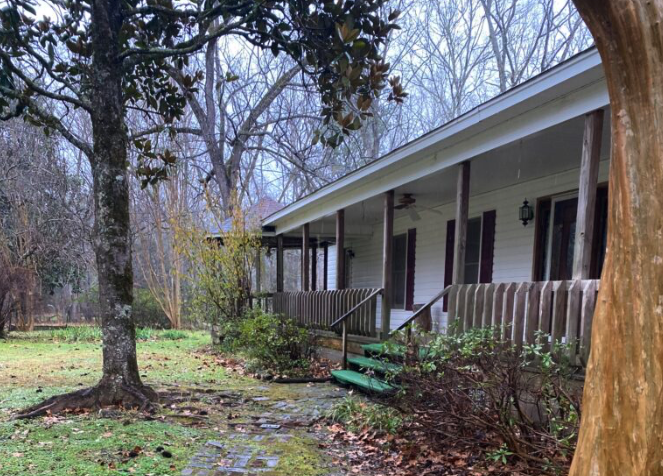
An inherited house should be priced according to its current market value and condition — not its tax assessment, its sentimental value, or the amount each heir hopes to walk away with. Getting this right early avoids the two most expensive mistakes heirs make: pricing too high and watching the home sit, or pricing based on a number (tax record, online estimate, family expectation) that was never designed to reflect what a real buyer will pay today.
What Families Are Really Asking
When someone says “what is this house worth,” they’re usually asking several things at once:
- Should we clean it out, or sell it as-is?
- Are repairs worth the cost before we list?
- How much will each heir actually receive?
- Should we price high and leave room to negotiate?
- Doesn’t the tax assessment already tell us what it’s worth?
Pricing an inherited home correctly means answering all five — not just picking a number.
Three Different “Values” — and Why They Don’t Match
One of the most common points of confusion (and disagreement between heirs) is treating these three numbers as interchangeable. They aren’t:
- Tax-assessed value. Set by the county primarily for property-tax purposes. It’s often outdated and rarely reflects current condition or market demand.
- Appraised value. A licensed appraiser’s opinion, based largely on recent comparable sales, prepared for a lender’s purposes once a buyer is under contract.
- Market value. What a qualified, willing buyer is actually likely to pay for the home right now, given its condition and the current local market.
Your list price should be built around market value — with the appraisal as a checkpoint later in the process, not the starting point. (If your sale is already under contract and the appraisal came back low, see our companion guide on what to do when an appraisal comes in under the offer.)
Addressing Condition Honestly
Inherited homes are often dated but structurally sound — a home that was well-loved for decades, just not updated along the way. Buyers and their lenders will weigh:
- Needed repairs and deferred maintenance
- Cleanup and the volume of remaining contents
- Financing requirements (some loan types require certain conditions be met before closing)
- The cost of bringing finishes up to current buyer expectations
Heirs do not always need to renovate. In many cases, the strongest net outcome comes from cleaning the home out, addressing any safety issues (electrical, structural, roof), and pricing accurately for its as-is condition — not from a costly remodel with no guarantee of a matching return.
As-Is Pricing vs. Preparing the Home First
There are two real paths, and the right one depends on the estate’s timeline, cash on hand, and the heirs’ priorities:
Sell as-is:
- Lower upfront preparation cost
- Faster path to listing
- Smaller buyer pool (fewer buyers want a project)
- Often a lower sale price
Prepare before listing:
- More upfront expense and coordination among heirs
- Broader buyer appeal
- Potentially stronger offers
The goal isn’t the highest possible sale price — it’s the highest realistic net proceeds after repairs, holding costs, taxes, utilities, and time on market are all accounted for. A higher sale price that takes four extra months and thousands in carrying costs isn’t necessarily the better outcome.
How Comparable Sales Work for Central Alabama Estate Homes
Comparable sales (“comps”) have to account for more nuance in this region than in a typical subdivision resale, including:
- Acreage
- Rural versus in-town location
- Manufactured versus site-built construction
- Age and condition relative to nearby homes
- Outbuildings, workshops, or additional structures
- Renovations or additions, permitted or not
- School district
- Distance from employment centers like Tuscaloosa or Birmingham
Two homes a mile apart can have very different values once land, construction type, and outbuildings are factored in — which is exactly where local market knowledge, not an online estimate, makes the difference.
Why Pricing Based on Sentiment Backfires
A home holds irreplaceable history for the family that grew up in it. But buyers compare it against every other home currently on the market — not against its emotional value. Overpricing based on sentiment typically leads to the home sitting unsold, racking up additional taxes, insurance, and maintenance costs, and often ends in a lower final offer than a well-researched price would have brought from the start. Pricing accurately from day one is usually what protects the number heirs actually take home.
When Multiple Heirs Are Involved
Before listing, it helps enormously for heirs to agree in advance on:
- The acceptable price range
- Whether any repairs will be completed before listing
- How preparation and selling expenses will be paid
- The lowest acceptable net proceeds the family will accept
- Who has the authority to communicate with the agent and sign documents
Getting this alignment early prevents delays later — especially if an offer comes in requiring a quick decision.
A Straightforward Pricing Process for Estate Homes
- Review title and estate authority — confirm who has legal authority to list and sell
- Tour the property and evaluate condition — repairs, safety issues, deferred maintenance
- Study relevant sold and active comparable properties — accounting for acreage, construction, and condition
- Estimate preparation and selling expenses — cleanout, repairs, commissions, closing costs
- Compare as-is versus improved-sale scenarios — net proceeds under each path
- Establish a pricing and reduction strategy — including how to respond if the home doesn’t move at the initial price, or if an appraisal later comes in below the agreed price
FAQ: Pricing an Inherited House
Is the tax-assessed value a good starting point for pricing an inherited house?
No. Tax-assessed value is set by the county for property-tax purposes and often lags behind current market conditions — it’s rarely a reliable indicator of what a buyer will actually pay.
Do I need to renovate an inherited house before selling it?
Not necessarily. Many inherited homes sell successfully as-is once safety issues are addressed and the price reflects current condition. A full renovation only makes sense when the added cost is likely to be recovered in the sale price.
How do multiple heirs agree on a price?
Before listing, heirs should agree on an acceptable price range, whether repairs will be made, how expenses will be split, the lowest acceptable net proceeds, and who has authority to sign — settling this upfront avoids delays once offers come in.
What if we price the inherited house too high?
Overpricing typically causes the home to sit on the market longer, adds carrying costs like taxes and insurance, and often results in a lower final sale price than accurate pricing would have achieved from the start.
What’s the difference between appraised value and market value?
Appraised value is a lender-ordered professional opinion based on comparable sales, produced once a home is under contract. Market value is what a qualified buyer is actually willing to pay right now — it’s what your list price should be based on.