
What is a custom new construction home?
A custom new construction home is a house that is built to the specific specifications and design preferences of the home buyer. This can include unique architectural features, custom floor plans, and high-end finishes and materials. Custom new construction homes are typically built on a buyer’s own land, rather than in a pre-existing neighborhood or development. The process of building a custom new construction home can take several months to a year or more, depending on the size and complexity of the project.
Many buyers assume new construction is simpler than buying a resale home. After all, everything is brand new—what could be complicated about that?
Quite a bit, as it turns out.
Buying new construction homes in Central Alabama comes with its own set of decisions, timelines, contracts, and potential surprises—many of which are very different from a traditional home purchase. Builders have their own processes, preferred lenders, and contract language, and buyers who walk in unprepared can end up making costly decisions they didn’t fully understand at the time.
This guide is for buyers in Central Alabama—including Tuscaloosa, Northport, Bibb County, and surrounding communities—who are considering new construction and want clear, honest guidance before moving forward.
It’s also especially relevant for families planning ahead for aging in place, multigenerational living, or a long-term home that fits where life is headed—not just where it is today.
Because new construction in Central Alabama can vary significantly between subdivisions, builders, and rural versus in-town opportunities, having local guidance matters more than most buyers expect.
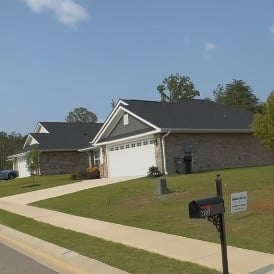
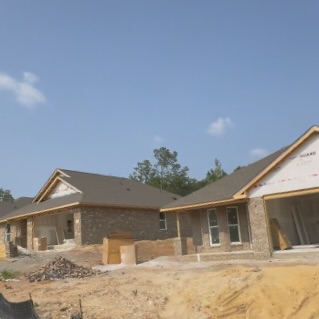
What Counts as “New Construction” in Central Alabama?
New construction generally falls into three categories:
- Spec homes — The builder has already started or completed the home on their own timeline, without a specific buyer in mind. You’re purchasing something that’s nearly or fully finished, with limited ability to customize.
- Semi-custom homes — You choose a floor plan from the builder’s existing options and select finishes, fixtures, and some structural upgrades within their framework.
- Custom builds — You work with a builder (or your own architect) to design a home largely from scratch, typically on land you own or purchase separately.
In Central Alabama, you’ll find all three. Northport and the western Tuscaloosa corridor have seen steady residential development in recent years, with new subdivisions offering spec and semi-custom options. Bibb County and more rural surrounding communities tend to offer more opportunities for custom builds on larger parcels of land, which appeals to buyers looking for privacy, space for extended family, or room to design a home specifically for long-term accessibility.
Do I Need a Real Estate Agent When Buying New Construction?
Yes—and this is one of the most important things to understand before you visit a builder’s model home.
The sales agent at a builder’s office represents the builder, not you. They are professional, helpful, and knowledgeable about the builder’s product—but their job is to serve the builder’s interests.
Having your own real estate advisor means someone is at the table who is focused entirely on your outcome: reviewing the contract for concerning language, helping you understand what’s negotiable, asking questions you might not think to ask, and making sure you’re not making decisions under pressure.
In most cases, the builder pays the buyer’s agent commission, so there’s typically no added cost to you for having professional representation. Walking into a new construction purchase without your own advisor is one of the most common—and preventable—mistakes buyers make.
Working with a Central Alabama real estate advisor who understands both builder processes and long-term housing strategy can help you avoid costly mistakes and make decisions that actually support your future—not just the purchase.
Is New Construction More Expensive Than Resale Homes?
Sometimes, but not always—and the comparison is more nuanced than it appears.
A new construction home may carry a higher purchase price than a comparable resale in the same area. However, new construction often comes with:
- Lower immediate maintenance costs
- Builder warranties on workmanship and systems
- Modern energy efficiency that reduces utility bills
- No deferred repairs or aging systems to budget for
The true cost comparison depends on the condition of the resale home, the quality of the builder, and how long you plan to stay. For buyers focused on long-term living—particularly those planning for aging in place or a home that can accommodate multiple generations—the reduced maintenance burden of new construction often makes strong financial sense over time.
In the greater Tuscaloosa and Northport markets, pricing varies considerably by subdivision, builder, and lot. A knowledgeable local advisor can help you understand what you’re actually getting for the price.
How Long Does It Take to Build a New Home?
For a semi-custom build, expect roughly five to nine months from contract signing to closing, depending on the builder’s workload, supply chain conditions, and the complexity of your selections. Custom builds on private land can take considerably longer—sometimes twelve to eighteen months or more.
Spec homes that are already under construction or completed can close much faster, sometimes within thirty to sixty days.
Delays happen. Weather, material availability, and subcontractor scheduling can all push timelines out. Before signing, ask the builder specifically how they communicate about delays and what protections exist in the contract if the timeline extends significantly.
What Upgrades Are Actually Worth It?
This is one of the questions I hear most often—and the honest answer is: it depends on what you value and how long you plan to stay.
As a general framework, upgrades that tend to be worth the investment include:
- Structural and layout changes — Moving walls, adding windows, or changing a floor plan is far more expensive after the fact. If a layout change matters to you, do it now.
- Electrical and plumbing rough-ins — If you might want a future addition, outdoor kitchen, or EV charger, getting the rough-in done during construction costs a fraction of what it would later.
- Flooring — Builder-grade carpet is often one of the first things buyers replace. Upgrading to hardwood or quality LVP upfront may save money long-term.
- Accessibility features — For buyers planning to age in place, features like wider doorways, a zero-entry shower, or blocking in bathroom walls for future grab bars are dramatically cheaper to build in now than to retrofit later.
Upgrades that are often not worth the builder’s markup include high-end appliances (frequently cheaper to purchase and install yourself after closing), decorative lighting fixtures, and some cabinet hardware. Your advisor can help you think through which upgrades are structural versus cosmetic. For buyers in Central Alabama who are planning for long-term living, especially those considering aging in place or multigenerational use, these early decisions can have a lasting impact on comfort, safety, and flexibility.
Can I Negotiate With a Builder?
Yes, though it looks different than negotiating on a resale home.
Builders are generally firm on base prices—especially in active markets—but they often have flexibility on:
- Closing cost contributions
- Included upgrades or design center credits
- Lot premiums (sometimes negotiable depending on inventory)
- Rate buydowns through the builder’s preferred lender
The degree of negotiation available typically depends on the builder’s current inventory and demand. A builder sitting on completed spec homes has more motivation to negotiate than one with a waitlist. Knowing the market conditions and the builder’s situation before you start a conversation is something your real estate advisor can help you assess.
What Should I Know About Builder Contracts?
Builder contracts are written by the builder’s attorneys and are designed to protect the builder. They are not the standard purchase agreement you’d see in a typical resale transaction.
A few things to pay close attention to:
- Deposit terms — How much is required, and is any of it refundable if you need to back out?
- Timeline language — What does the contract actually say about completion dates and delays?
- Change order policies — What happens if you want to make a change after the contract is signed?
- Preferred lender requirements — Some builders tie incentives to using their in-house lender. This can be fine—or it can be costly. Compare carefully.
- Warranty terms — Understand exactly what is covered, for how long, and what the process is for claims.
Having a real estate advisor—and in some cases a real estate attorney—review a builder contract before you sign is time and money well spent.
Are Inspections Still Necessary With New Construction?
Absolutely. This surprises many buyers, but new construction homes can and do have defects—sometimes significant ones.
A third-party home inspector who is not affiliated with the builder can identify issues with framing, insulation, electrical work, plumbing rough-ins, and more before they’re covered by drywall and finishes. Ideally, you’d have inspections at multiple stages of construction: before the foundation is poured, before the drywall goes up, and again at final walkthrough.
Builders may push back on this or say it isn’t necessary. It is. Don’t skip it.
What Are Common Mistakes Buyers Make With New Construction?
- Going to the builder’s sales office without their own representation
- Skipping the independent home inspection
- Choosing upgrades emotionally rather than strategically
- Signing contracts without fully understanding deposit and timeline terms
- Assuming the builder’s preferred lender is automatically the best option
- Not asking about HOA fees, community rules, or what is—and isn’t—included in the base price
Most of these mistakes are avoidable with the right guidance in place before the process begins.
Is New Construction a Good Option for Aging in Place or Multigenerational Living?
For many families, it’s one of the best options—precisely because you can design the home around your life before the need becomes urgent.
Aging in place means planning now for the realities of getting older: reduced mobility, changing accessibility needs, the desire to stay independent as long as possible. Building those features into a new home is far less expensive than retrofitting an existing one. Things like single-story layouts, wider doorways, zero-entry showers, bedroom-level laundry, and covered outdoor spaces can all be built in from the start.
Multigenerational living is also much easier to plan in new construction. Whether you need a separate suite with its own entrance, a connected but private living area for an aging parent, or a layout that works for adult children returning home, a semi-custom or custom build gives you the flexibility to get it right.
In areas like Bibb County and the rural communities surrounding Tuscaloosa and Northport, land availability makes custom builds a realistic option for families who want the space and layout to support multiple generations comfortably.
I work regularly with families navigating exactly these decisions—and thinking through the long-term picture before signing a contract makes an enormous difference. This is where new construction becomes more than a purchase—it becomes a long-term planning decision for how you want to live in Central Alabama.
A Real Example: Getting It Right Before Breaking Ground
A couple in their early 60s came to me after visiting a new subdivision near Northport. They were excited about the community but felt overwhelmed by the upgrade selections, unsure about the contract terms, and uncertain whether the floor plan they liked would work for them long-term—particularly given that one of them had a parent who might eventually need to live with them.
We slowed down before moving forward. We walked through the floor plan together with aging in place and multigenerational living in mind. We identified two structural changes that were worth doing now and several cosmetic upgrades that weren’t. We reviewed the contract together, flagged a few terms worth clarifying with the builder, and they ended up negotiating a modest closing cost credit.
They closed seven months later on a home that was genuinely designed for their life—not just the life they were living at that moment, but the one they could reasonably anticipate. That kind of clarity is what makes a good real estate decision.
Quick FAQs
Do builders pay closing costs? Sometimes, particularly when using their preferred lender or as part of a negotiated incentive. It’s always worth asking, but don’t assume—get it in writing.
Can I use my own lender? Usually yes, though some builder incentives are tied to their in-house financing. Compare offers carefully. A lower rate buydown from the builder’s lender may outweigh the benefit of using your own, or it may not. Run the numbers.
What happens if construction is delayed? It depends on what the contract says. Some contracts allow significant delays without consequence to the builder. Before signing, understand the timeline provisions and what recourse, if any, you have.
Is new construction a good investment? It can be, particularly in growing areas like Northport and western Tuscaloosa. That said, new construction is best evaluated as a home first and an investment second. The features and layout should serve your actual life—financial appreciation follows from that foundation.
What should I ask a builder before signing? A few good starting questions: What is your current build timeline and what causes delays? What is your warranty, and how do you handle claims? What is and isn’t included in the base price? Can I bring my own real estate advisor? May I have an independent inspection during construction?
Buying new construction homes in Central Alabama can be a smooth and rewarding process—but only when decisions are made with clarity, not assumption.
The buyers who feel the most confident at the end of the process are not the ones who got lucky. They are the ones who understood the process, asked the right questions early, and made decisions based on how the home would serve their life long-term.
Julie Holdsambeck is Your Central Alabama Real Estate Advisor, specializing in aging in place, senior transitions, and multigenerational living. She helps buyers in Tuscaloosa, Northport, Bibb County, and surrounding communities navigate new construction decisions with clarity, strategy, and a long-term perspective.
If you’re considering building or buying a new construction home in Central Alabama, I’m always happy to help you think through your options—no pressure, just thoughtful guidance.
Julie Holdsambeck Your Central Alabama Real Estate Advisor Specializing in Aging in Place, Senior Transitions, and Multigenerational Living Associate Broker | eXp Realty www.yourcentralalabama.com